Venuse
A research-driven training and injury prevention system for female athletes, designed to align athletic training with the menstrual cycle to optimize performance and reduce injury risk.
Design Engineer & Kinesiologist
Kinesiology, Biomechanics, Sensor Technology, Materials Testing, Rapid Prototyping, Product Design, UI
Year: 2019, 5 weeks


Research
Did you know hormones affect injury risk in female athletes?
Menstrual Cycle & Injury Risk
Hormones affect injury risk. For one week a month, rising oestrogen levels increase ligament flexibility, destabilizing joints and raising injury risk. No product existed to help athletes account for this.

Acute damage to the ACL is the most common injury.
Women have a 3-6 times higher injury risk than men.

Athletic Training Cycles
Athletic training receives the best outcomes and most often follows a cyclical pattern of 3 weeks of high intensity and 1 week of low intensity. This pattern allows for the body and muscles to adapt and grow.
When this pattern is translated to a 3D form, a model represents one month of training intensity can be seen as changes in elevation

Making and Prototyping
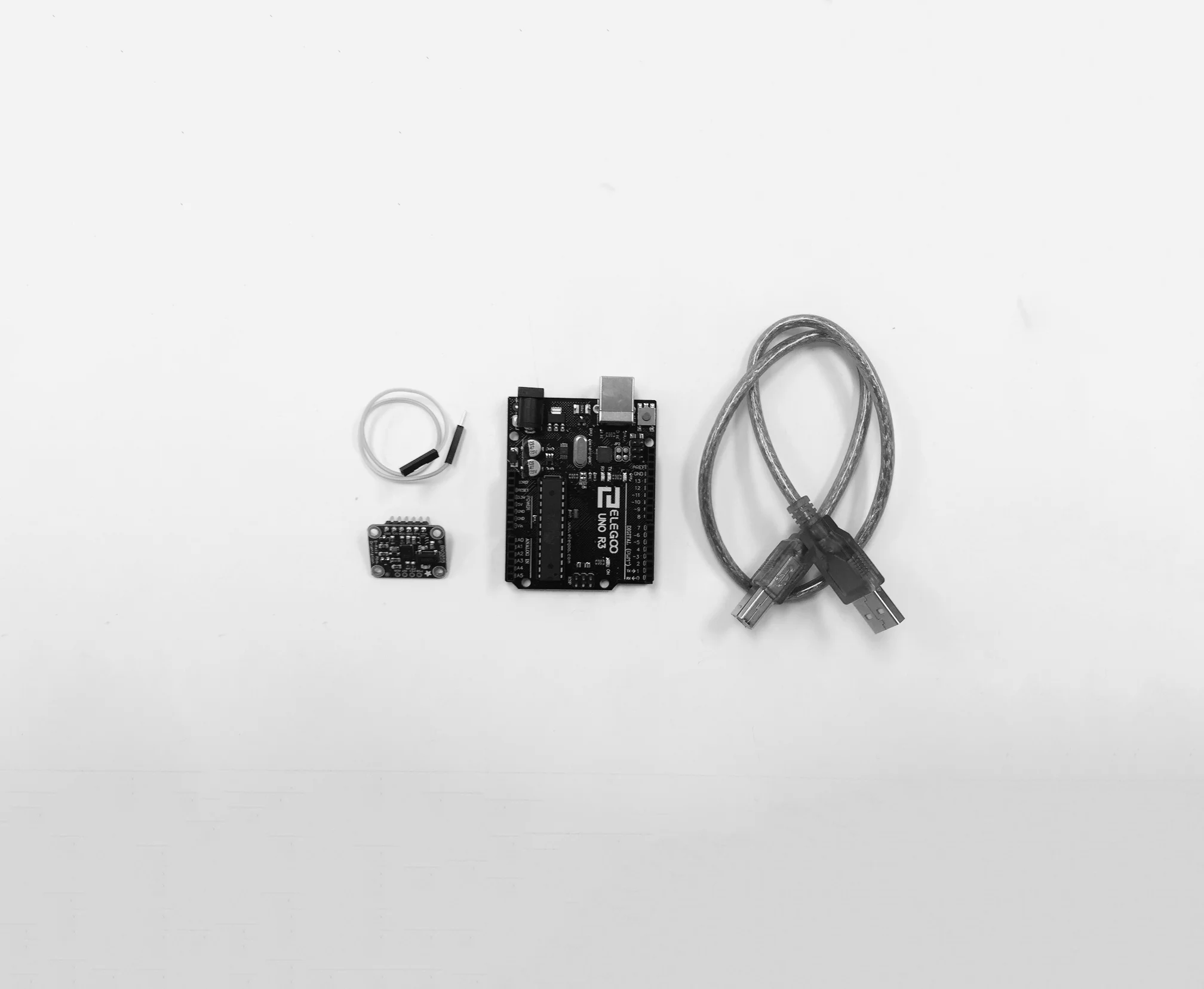
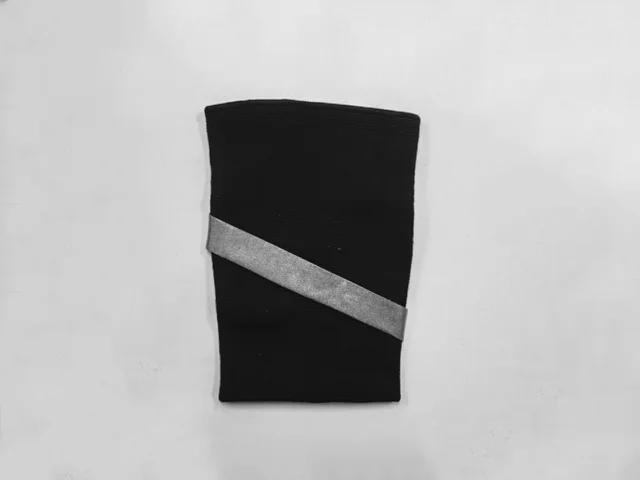
The system required both a physical feedback mechanism and a sensor to retain accuracy. I tested materials including gyroscopes, conductive fabric, and carbon nanotube-coated rubber bands before identifying conductive fabric as the best fit, sewn into a knee sleeve to detect abnormal joint flexion.
10 Participants; recreational to professional athletes
5 Expert Interviews; Imperial College Department of Bioengineering and Surgery

Time Keeping Explorations
For the timekeeping component, I prototyped analogue clock mechanisms through multiple iterations using mechatronics, laser cutting, and custom woodworking to get the motion and elevation transitions right.

Sensor Tech Explorations
A calendar is only as good as its accuracy. The challenge was building a sensor sensitive enough to detect subtle changes in joint flexibility without being intrusive to wear or movement.
Three materials were tested: gyroscopes, carbon nanotube-coated rubber bands, and conductive fabric. Gyroscopes captured motion but not tissue flexibility. Rubber bands showed promise but lacked sensitivity at the ranges needed. Conductive fabric responded reliably to the small degrees of abnormal stretch at the ACL, making it the clear choice. Sewn into a knee sleeve, it sits flush against the joint and measures flexion continuously during activity.
Final Concept

The centerpiece is a 3D clock. A runner on a long arm traces a circular path representing one month. As the arm rotates, the terrain beneath it changes elevation, physically lifting or lowering the runner to indicate when training intensity should increase or decrease. The landscape itself encodes the data.
The sensor knee sleeve acts as validation, feeding real-time data back into the system to ensure the clock stays accurate to the athlete's actual cycle. Together they form a complete system: a calendar that aligns health data and athletic training goals, communicated through both the physical clock and an app.



Special Thanks to: Martin Ramette; Department of Bioengineering, Imperial College London. Jaime Aguilera; Department of Bioengineering, Imperial College London. Dr. Lance Rane; Department of Bioengineering, Imperial College London.

